

FACE VS. BODY SUNSCREEN: WHAT’S THE DIFFERENCE?
You know that using sunscreen is crucial. It protects your skin against harmful sun damage, prevents skin cancer, and keeps your skin looking healthy and young for longer. When you’re shopping for sunscreens, you see both face sunscreens and body sunscreens. Do you really need to buy both formulas to stay protected? What’s the difference?
In this article, we’ll explain the difference between face vs. body sunscreen, determine if you need both formulas, and help you build a full sun protection skincare routine that protects your face and body from the sun.
From BIOTHERM
Why you shouldn’t use the same sunscreen for your face and body
Do you need to add both a face sunscreen and body sunscreen to your collection? The short answer is yes. Your facial skin and body skin have different textures and needs.
The skin on your face is usually thinner, more sensitive, and more prone to acne and breakouts. The skin on your body tends to be more resilient. And of course, you have a lot more skin on your body than your face, so a lot more surface area to cover.
For most skin types, you’ll benefit from using a separate face sunscreen and body sunscreen.
What makes face sunscreen different?
Face sunscreen is usually formulated with lighter textures and non-comedogenic ingredients. It makes it less likely to clog pores and cause acne breakouts.
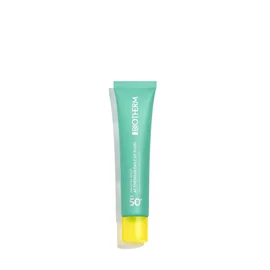
Many face sunscreens also feature skincare ingredients that add more benefits than just sun protection. For example, some face sunscreens have anti-aging ingredients, hydrating ingredients, or brightening ingredients too. For example, our Aquascreen Activewear Daily UV Fluid SPF50+ is an invisible fluid with very high sun protection and a sweat-resistant formula. All in all, facial sunscreens tend to feel more comfortable and less heavy and greasy on the skin. They play nicely with makeup and skincare underneath, and are less likely to cause skin issues than if you were to apply a body sunscreen on the face.
What makes body sunscreen different?
Body sunscreen typically comes in much larger, easier-to-apply formulas since you have more surface area to cover. You’ll find body sunscreens in big squeeze tubes, bottles with pumps, or sprays. They also usually have a thicker formula that’s easier to spread, more water-resistant, and longer-lasting overall.
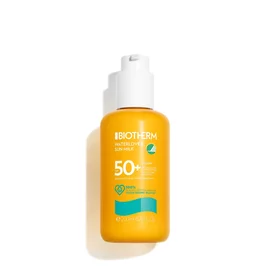
Our Waterlover Sun Milk SPF 50+ is a hydrating face and body sun lotion that’s eco-friendly and formulated with a milky texture that protects from UVA and UVB rays.
How to protect your face and body from sun damage
Now that you’ve picked out both a face sunscreen and body sunscreen, it’s time to build a full-spectrum sun protection routine for your daily life:
- Start by cleansing your face and body to rid your skin of impurities. Choose a facial cleanser that’s suitable for your skin type, and a body cleanser that purifies and freshens.
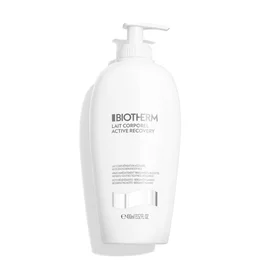
- Pat your skin dry. Then complete your facial skincare routine, applying your serum and moisturizer as normal. As for your body, apply a moisturizing lotion or cream to lock in moisture.
- Once your moisturizer has fully absorbed, apply a facial sunscreen to your complexion. Then pick up your body sunscreen and apply it liberally across your entire body, making sure all exposed skin is covered.
- Reapply both your face and body sunscreen every 2 hours, especially if you’re outdoors, physically active, or swimming.
Keep up this routine every day and you’ll ensure both your face and body are protected from UVA and UVB sun damage. Your skin will thank you while you avoid skin cancer, wrinkles, fine lines, and sunspots.